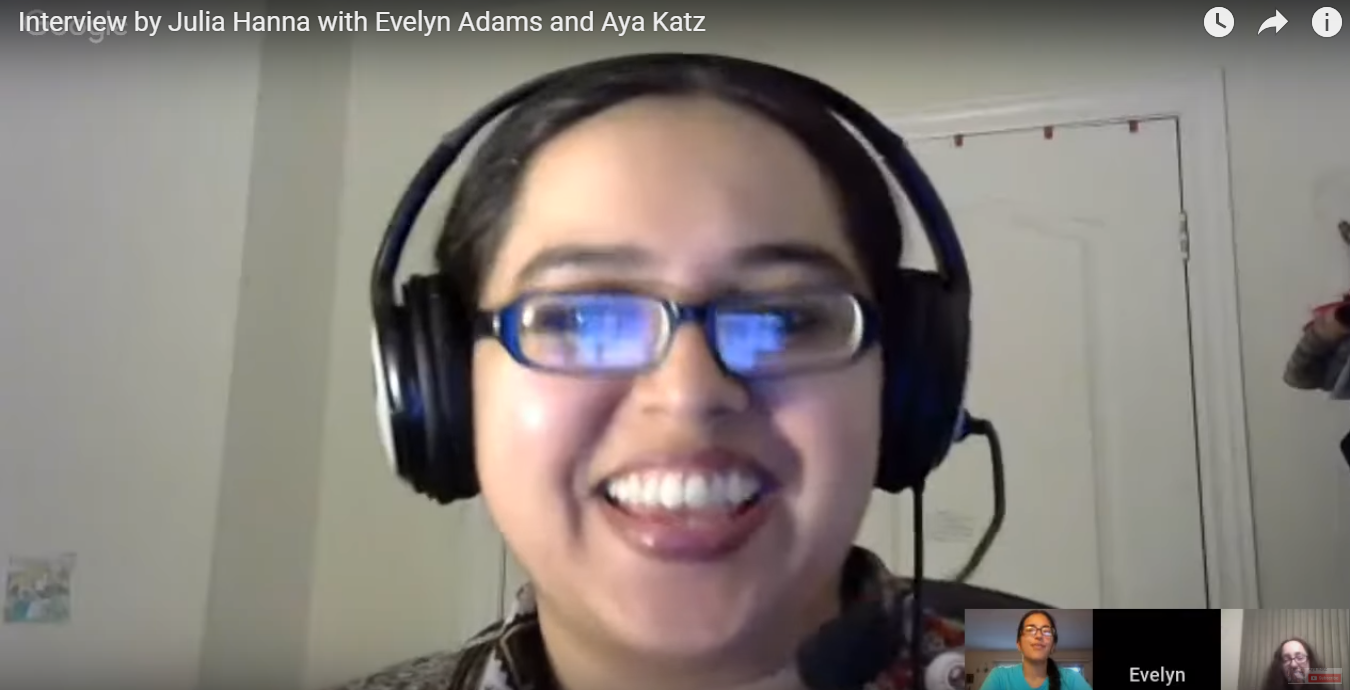
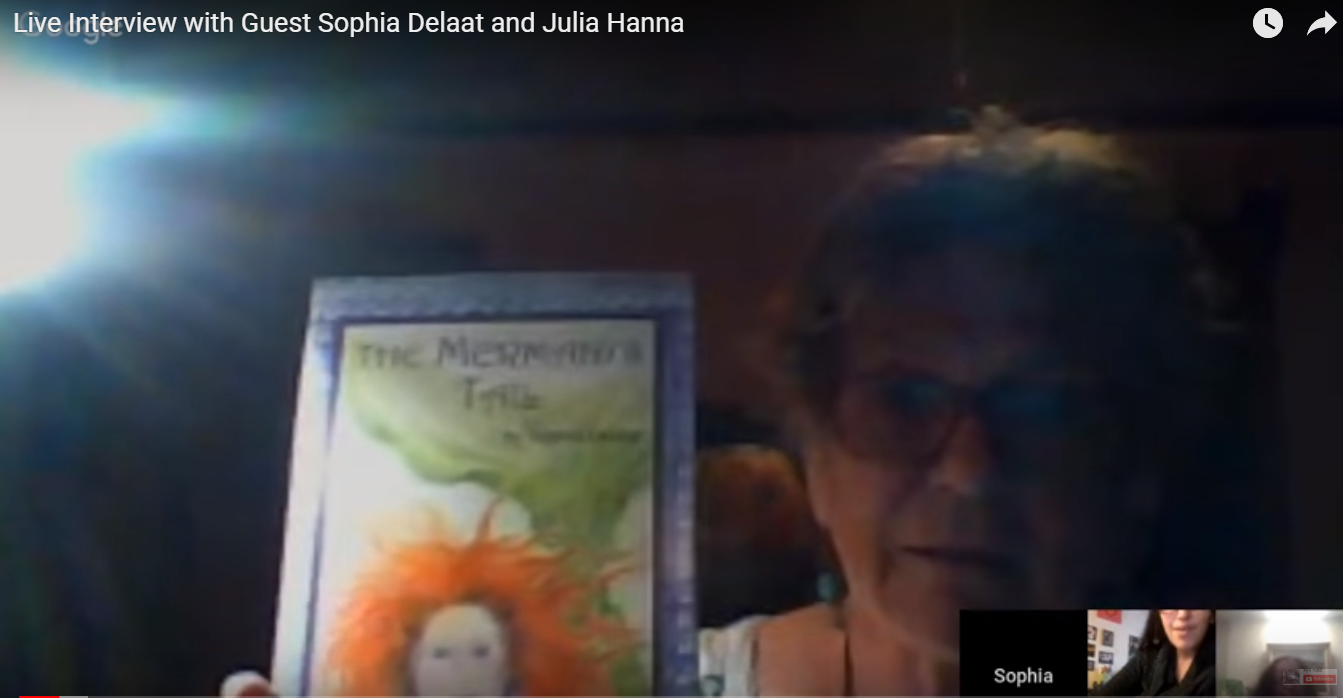
On June 1, 2018 Julia Hanna and Aya Katz spoke with guest Sophia Delaat.
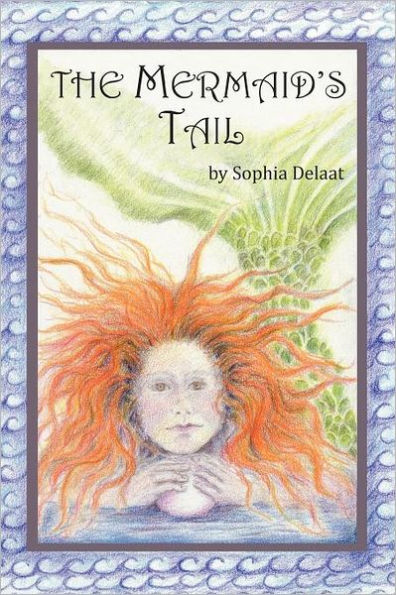
Sophia Delaat is the author of The Mermaid’s Taleand a renowned gourd artist. Raised in a military family, the daughter of a Colonel, Sophia got to travel extensively as a child, growing up and going to school in the United States, Portugal and Japan. She went to college in Texas, became interested in early childhood education, was trained in teaching, taught in Melbourne, Australia, became a Waldorf school teacher, raised a daughter on her own, later married, and is now living in the Missouri Ozarks with her husband, where she works on gourd art and serves as a CASA worker.
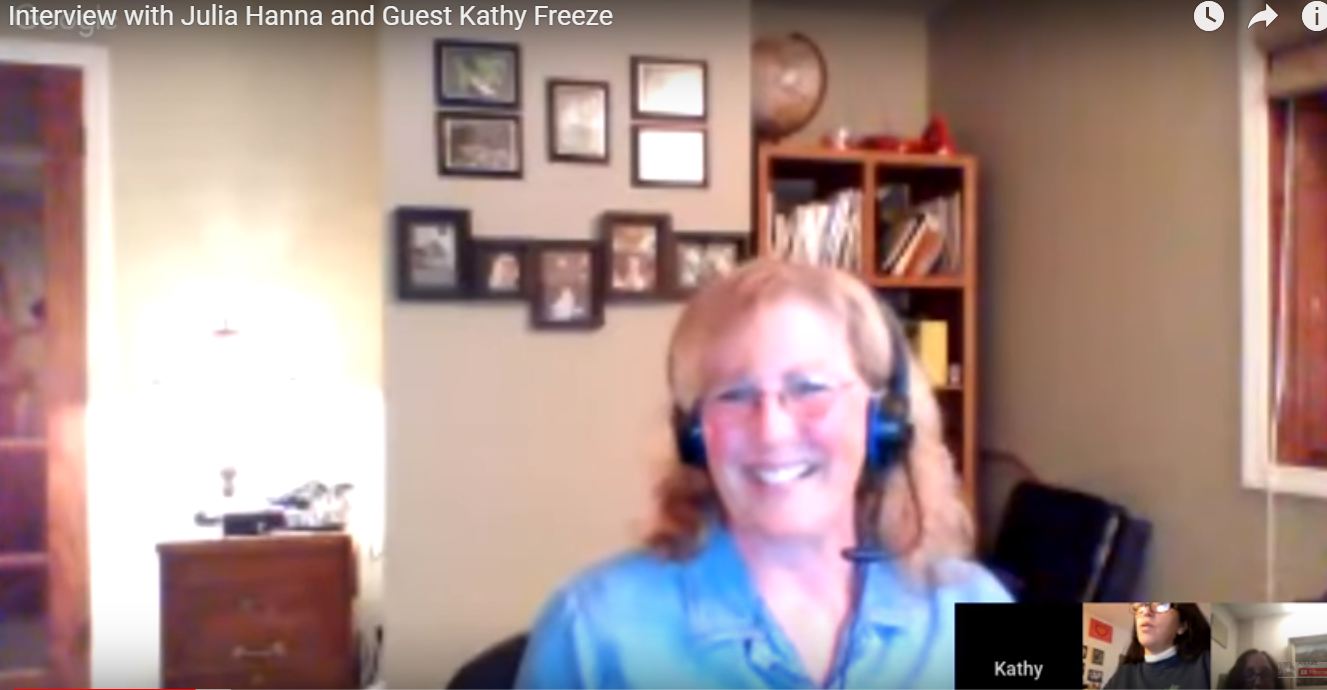
On May 18, 2018 Julia Hanna and Aya Katz spoke with guest Kathy Freeze about the novel she is writing, her purple martin colony, her nature photography, trips to Yellowstone Park, mentoring of other purple martin landlords, her libertarian beliefs and who she would be voting for in the Senate race in Missouri.
Kathy Freeze is a libertarian, an avid nature-lover and amateur photographer who lives in the beautiful Ozarks of Missouri. She also blogs about her adventures with nature, her purple martin colony, butterflies, bees and native prairie restoration on her blog at “The Birds & The Bees”.
Topics discussed include:
The book Kathy is writing and what her inspiration was for this work of realistic fiction.
Her purple martin colony and her work mentoring other purple martin landlords.
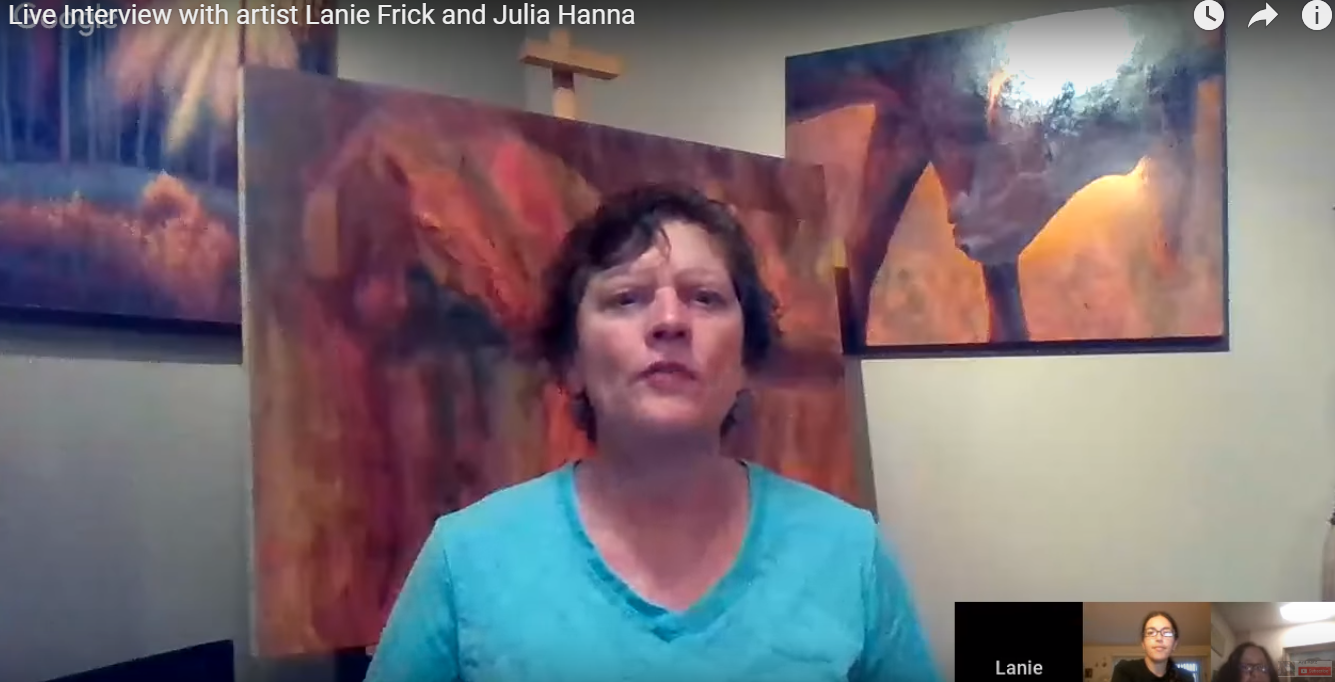
On May 11, 2018 Julia Hanna and Aya Katz spoke with artist Lanie Frick about her art, her reputation as a colorist, her professional membership in artist organizations and how she went about getting two grants at the same time from two different art organizations to improve her technique and hone her approach to her artwork.
“Colorist” is the term used most often when referring to Lanie Frick fine art painter. Her use of color infuses subjects of horses, domestic animals, wildlife and the supporting landscape with light and mood. Lanie’s painting style is one of intuitive expression where realistic subjects show movement and life by vivid notes of impressionism.
Lanie is a juried member of Women Artists of the West (WAOW) and Best of Missouri Hands (BOMH). She has been the Featured Artist for large events such as the Nebraska Horse Expo and PRCA Rodeo in Missouri. Her paintings are regularly juried into regional and national exhibitions including the 2014, 2015 and 2016 National WAOW shows, “Gallopalooza” of Louisville, KY, as well as published internationally on cover art for novels and magazines. Public and private collectors throughout the United States and abroad have purchased her paintings.
Topics discussed during the live interview on May 11, 2018 included:
What it means to be a “colorist”.
What is “intuitive expression”.
How Lanie Frick became an artist.
How Lanie Frick became a juried artist and became a member of Women Artists of the West and Best of Missouri Hands.
When, how and why Lanie Frick decided to apply for grants, and how she came to be chosen for two grants at the same time.
The best mindset and approach when applying for an art grant.
Color, composition. design and value as terms of art.
Impressionistic painting and expressive painting.
A brief discussion of modern artists such as Pablo Picasso and Jackson Pollock.
Inspiration for artworks and finding models and subjects.
Commissioned art work versus spontaneous art or self-motivated art.
How to find your own style rather than mimicking the style of others.
Lanie Frick’s portfolio of past art works and the art she is working on now.
Lanie Frick is the author of four books about color mixing in art, available on Kindle.
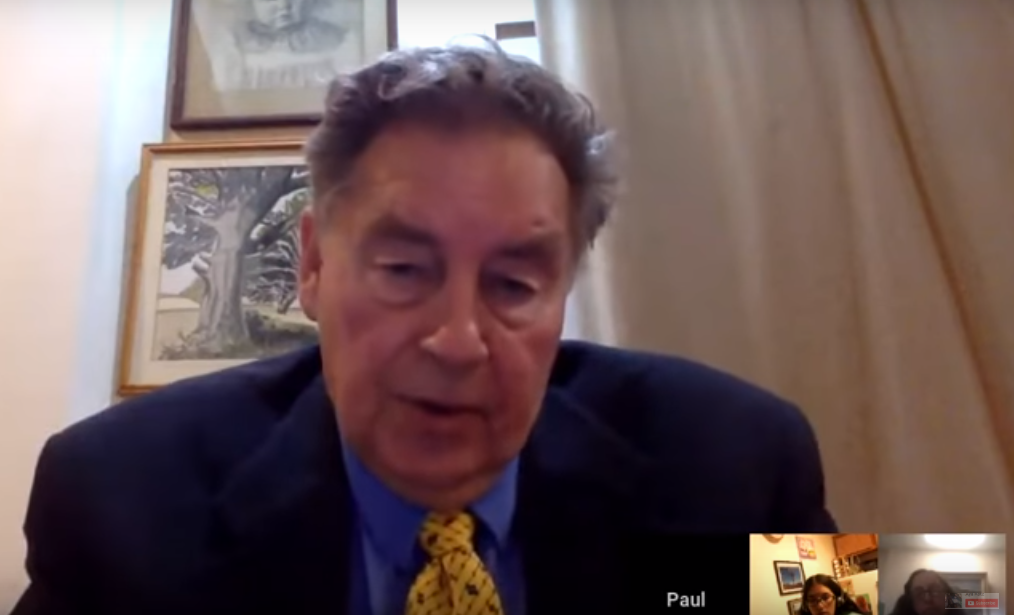
On May 4, 2018, Julia Hanna and Aya Katz spoke with Dr. Paul Connett about the effects of water fluoridation on the health of human populations exposed to this practice.
Dr. Paul Connett is a graduate of Cambridge University and holds a Ph.D. in chemistry from Dartmouth College. From 1983 until he retired in May 2006, he taught chemistry at St. Lawrence University in Canton, NY where he specialized in Environmental Chemistry and Toxicology. Over the past 32 years his research on waste management has taken him to 49 states in the US, 7 provinces in Canada and 65 other countries, where he has given over 2500 pro bono public presentations. He helped found the Fluoride Action Network
(FAN) for which he is the current executive director. He has given invited presentations on the dangers of fluoridation in Australia, Canada, Germany, Ireland, Israel, Japan, New
Zealand, the UK and the US. This has included invited presentations in 2003 to
both the US EPA and the US National Research Council.
In our interview on May 4, 2018 Dr. Connett discussed the following topics:
How he came to realize that fluoride is dangerous for human populations.
How fluoride is treated differently from other toxic substances like arsenic.
The fact that the MCLG allowed by EPA for fluoride is 4.0, while for arsenic it is zero.
The fact that there has never been a double blind controlled study of the benefits of fluoride.
The fact that recent medical studies reveal that any benefit conferred by fluoride to teeth is in fact topical and therefore fluoride need not be swallowed to derive the benefit.
The contraindications for adding fluoride to drinking water, including lowered IQ, rheumatoid arthritis, hypothyroidism, and skeletal and dental fluorosis.
The way in which water fluoridation effectively medicates whole populations without obtaining informed consent.
On April 13, 2018 in the interview by Aya Katz and Julia Hanna with Dr Sue Savage-Rumbaugh the following topics were discussed:
* chimpanzees Sherman and Austin and a contrast with Lana.
* the meaning of meaning
* meaning of words within sentence templates
* Herbert Terrace and Nim Chimpsky
* why ape language research is under attack
Dr. Sue Savage-Rumbaugh is a world renowned researcher on apes and language.
On March 31, 2018 Dr. Sue Savage-Rumbaugh was a guest on the livestream with Julia Hanna and Aya Katz. In this interview, here are some of the topics discussed:
Dr. Sue Savage-Rumbaugh’s near death experience as a child and how it shaped her attitude towards her future career.
Dr. Savage-Rumbaugh’s early training in psychology and her introduction to chimpanzess.
Lucy Temerlin, Nim Chimpsky, Dr. William Lemmon and his chimp farm, Roger Fouts and Washoe, and other experiences from Oklahoma
Why it is that while in the past chimpanzees had access to human children to play with in petting zoos, it is now considered by most people too dangerous, no matter how young the chimpanzee
Society’s changing attitude to ape intelligence, language ability and access to humans.
Bonobos in general, and the specific life histories of Matata and Kanzi and Panbanisha
Why Dr. Savage-Rumbagh does not currently have access to Kanzi
What caused Time Magazine to take Dr. Savage-Rumbaugh out of an article about Kanzi in 2017, for which she was interviewed at a time when she was billed top scientist by that same publication.
Why apes in captivity need to have access to language and culture in order to live and thrive.
Why ape sanctuaries in the US are not a good place for conservation due to restrictions on reproduction.
Please come and join us in our conversation. Feel free to leave a comment.